Assisted Therapy
with Dogs
Connect with nature through the special bond animals offer us
Dogs help us attune to the Gestalt field; they are powerful emotional channelers and enhance our connection to our natural essence.
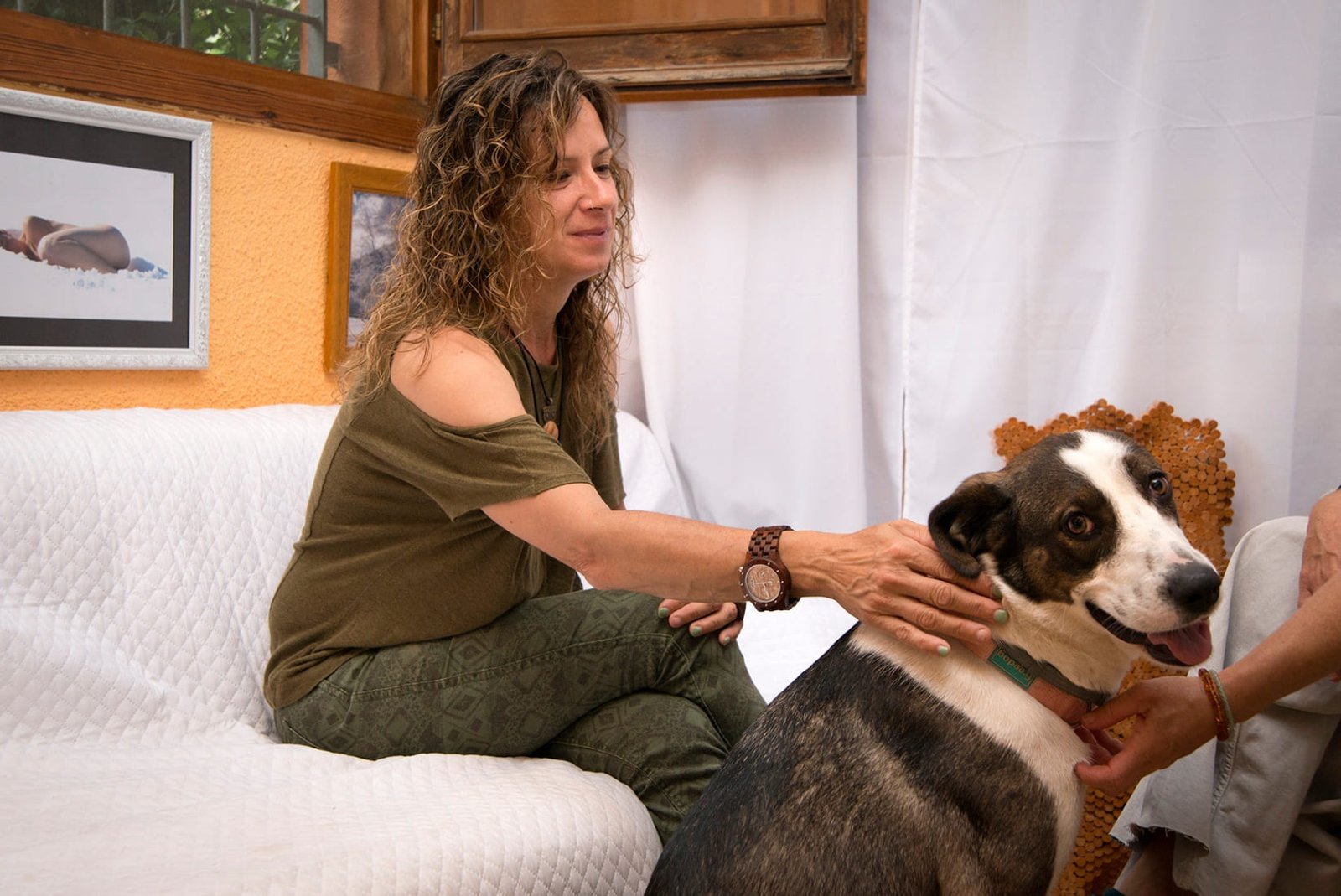
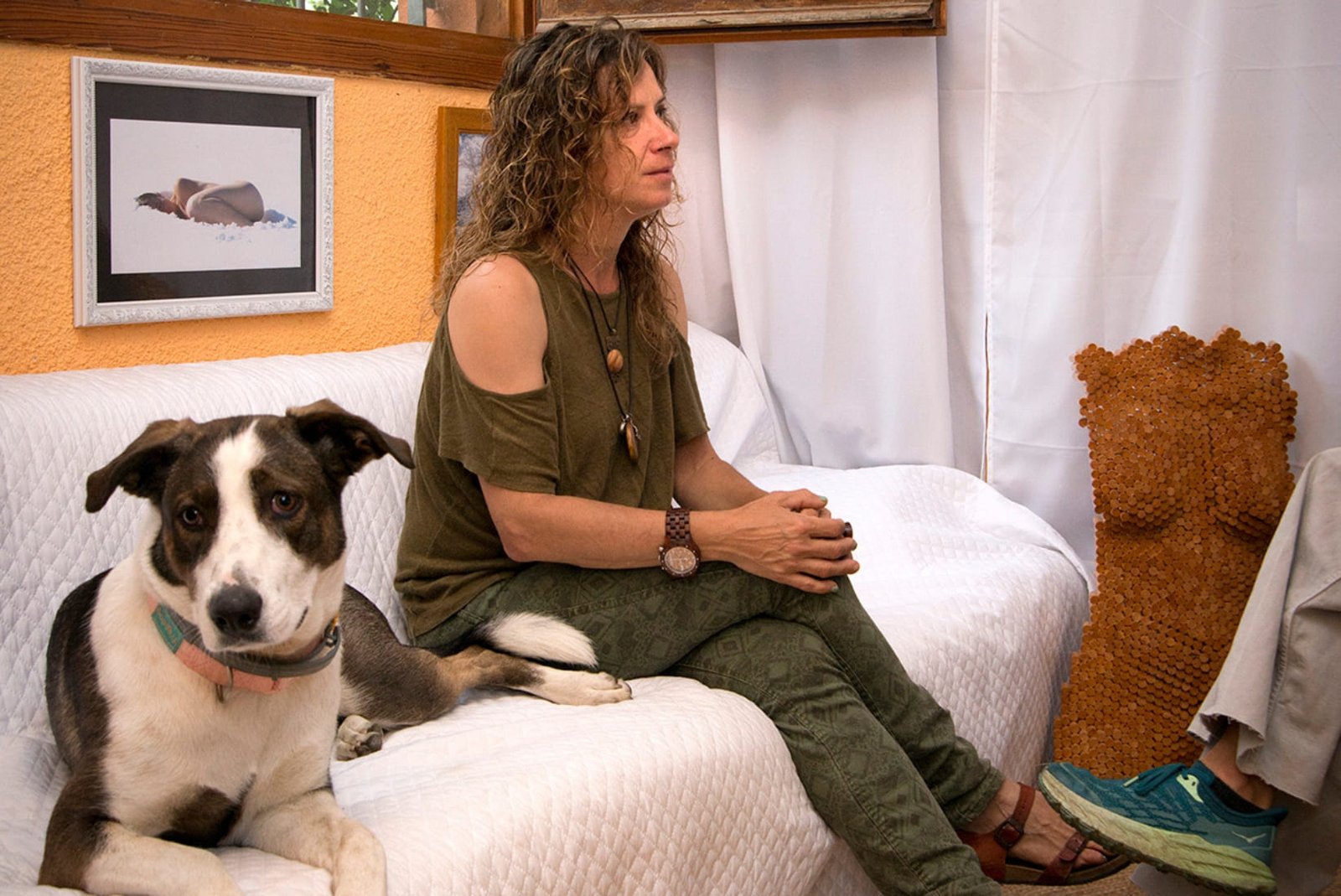
Assisted therapy with dogs is a unique tool that combines dogs’ innate sensitivity with our need for emotional, social, and natural connection. Dogs, with their ability to be fully present and authentically connected to the environment, act as emotional channelers, social facilitators, and allies in therapeutic work. Their presence enhances the process of self-discovery by helping us perceive what is present in the “field,” a key concept in Gestalt therapy.
Emotional and Physiological Benefits
Enhanced through the human–dog bond
Physical contact with dogs goes far beyond a simple caress: it is a deeply transformative experience with proven benefits for both emotional and physiological well-being.
1. Increase in oxytocin, the wellness hormone
Petting or hugging a dog stimulates the release of oxytocin, known as the “love hormone” or the well-being hormone. This chemical reinforces the emotional bond, generates feelings of trust and attachment, and helps reduce anxiety and depression.
2. Reduction in cortisol and stress
Contact with dogs lowers cortisol levels, the hormone associated with stress, helping relax the body and mind. This calming effect leads to reduced muscle tension, more stable heart rate, and a general sense of tranquility.
3. Emotional balance and greater sense of calm
The presence of a dog and the simple act of petting them promote more stable emotional states, facilitate emotional regulation, and foster resilience in difficult situations. Dogs, with their unconditional affection, can ease loneliness and offer comfort during moments of sadness or uncertainty.
4. Enriched sensory stimulation
Interacting with a dog provides rich multisensory stimulation:
-
-
Touch: Petting their fur activates nerve endings that enhance relaxation and sensory integration.
-
Sight: Watching their movements and expressions stimulates attention and empathy.
-
Hearing, by listening to their sounds and breathing, provides a sense of companionship and safety.
This sensory stimulation helps improve environmental awareness and strengthens the connection with the present moment. -
Smell, when perceiving the characteristic scent of dogs, the earth, and the natural environment they move in, evokes memories, activates positive emotions, and strengthens the emotional bond. The sense of smell, so primal and essential, connects us with feelings of home, belonging, and nature.
-
5.Additional physical and social health benefits
Interacting with dogs can help lower blood pressure, improve immune function, and encourage physical activity through walks and play. Dogs also act as social bridges, helping people connect with others and fostering a sense of community and belonging.
Dogs offer an inexhaustible source of holistic well-being, capable of transforming our physical, mental, and emotional state, while reminding us of the importance of authentic connection with other living beings.
-
Beetz, A., Uvnäs-Moberg, K., Julius, H., & Kotrschal, K. (2012). Psychosocial and psychophysiological effects of human-animal interactions: The possible role of oxytocin. Frontiers in Psychology, 3, 234. https://doi.org/10.3389/fpsyg.2012.00234
-
Barker, S. B., & Wolen, A. R. (2008). The benefits of human-companion animal interaction: A review. Journal of Veterinary Medical Education, 35(4), 487–495. https://doi.org/10.3138/jvme.35.4.487
The Gestalt Field: Dogs as amplifiers and emotional mirrors
In Gestalt therapy, the “field” refers to everything happening in the here and now: emotions, energy, relational dynamics, and whatever emerges in the shared space between client, therapist, and environment. This field is a continuous flow of information that is not always easy to consciously perceive. Here is where dogs play a fundamental role.
Dogs are innately sensitive to the field. They pick up what is present yet unspoken. They sense the invisible yet active: unspoken tensions, repressed emotions, or subtle energies affecting the person or the group, including the therapist. Through their spontaneous and authentic behavior, they mirror emotional dynamics that may be blocked or denied by those present. For example:
- A dog might approach someone experiencing sadness, even if that person hasn’t verbally expressed it—or is unaware of it.
- If there’s tension between two people, the dog might place itself between them as a mediator.
- If someone is emotionally disconnected, the dog may invite interaction through playful, affectionate, or provocative gestures.
These behaviors help us become aware of what is happening within us and in our relationships. Dogs act as emotional mirrors, reflecting what we feel but may not always recognize. In this way, they amplify the Gestalt field, supporting a deeper, more revealing therapeutic process.
Dogs as Emotional Channelers:
Releasing what is repressed
The emotional bond we form with dogs is unique because it’s free from judgment or expectation. Dogs accept us as we are, creating a safe space where we can explore our deepest emotions. Often, emotions are repressed or blocked due to fear, projection, or limiting beliefs. A dog’s presence can act as a catalyst to release those emotions:
- Their physical contact and sincere gaze invite us to connect with our vulnerability.
- Their spontaneous behavior helps us express emotions we may not know how to release.
- They teach us to be present with our emotions without judging or repressing them.
For example, someone who avoids showing sadness may feel comfortable crying while petting a dog, because the dog’s presence brings trust and comfort. In this context, dogs act as emotional facilitators, helping us process difficult emotions.
Dogs as Nature:
Reminding us who we are
It’s important to note that dogs aren’t “more connected” to nature than we are; they are nature, and they’ve never lost that connection. They’ve never lost their sense of belonging to the natural world of which we are also part, though we often forget. Their presence reminds us of our natural essence and invites us to return “home”: to nature.
Dogs live fully in the present moment, in harmony with their surroundings and themselves. This innate connection guides us toward a similar state of presence and authenticity. During therapy sessions, dogs symbolically lead us “home”, helping us reconnect with our essential nature.
When sessions are held outdoors, in natural settings like forests or gardens, the restorative benefits of direct contact with nature combine with the healing power of dogs to create a unique space for relaxation, emotional openness, and clarity.
Strengthening Human Relationships:
Dogs as social facilitators
Beyond their emotional impact, dogs play a key role in strengthening human relationships. They act as bridges between people, fostering a warm and welcoming environment where interaction flows more naturally. Some key social benefits include:
- Breaking emotional barriers: Interaction with a dog builds trust and encourages emotional openness between people.
- Encouraging communication: Dogs inspire spontaneous and authentic conversations, breaking the ice between people who may not know each other or who struggle to connect.
- Promoting empathy: Observing how others interact with the dog helps us better understand their emotions and perspectives.
- Creating a sense of community: In group sessions, dogs help generate group cohesion by acting as a common point of interest and connection.
This ability to bring people together makes dogs exceptional allies in group therapy or activities aimed at enhancing social skills. Their presence fosters a safe space where everyone can participate and connect from a genuine place.
A Path Toward Holistic Reconnection
Assisted therapy with dogs not only nurtures emotional connection between humans and animals; it also reconnects us with ourselves, with others, and with the natural world. Dogs are unconditional companions and silent teachers who show us how to live from the heart and relate from an authentic place.
Through this therapeutic process, we learn more about ourselves: our hidden emotions, relational patterns, and how we connect to our surroundings. Dogs guide us naturally toward introspection, as their presence fosters trust, empathy, and emotional openness.
In a world increasingly disconnected from what matters, this therapy gives us a unique opportunity to remember who we truly are and where we come from: natural beings who are part of the same living fabric as animals, trees, and all life. Working with dogs in carefully designed natural or indoor environments promotes emotional well-being and leads us on a path toward healing, clarity, and deeper connection with our surroundings.
Let dogs guide you to your natural essence and help you better understand yourself: your hidden emotions, your way of relating to others, and your essential connection with the world.