therapeutic gardening
Sow emotional well-being by cultivating the earth, tending to plants, and flourishing within.
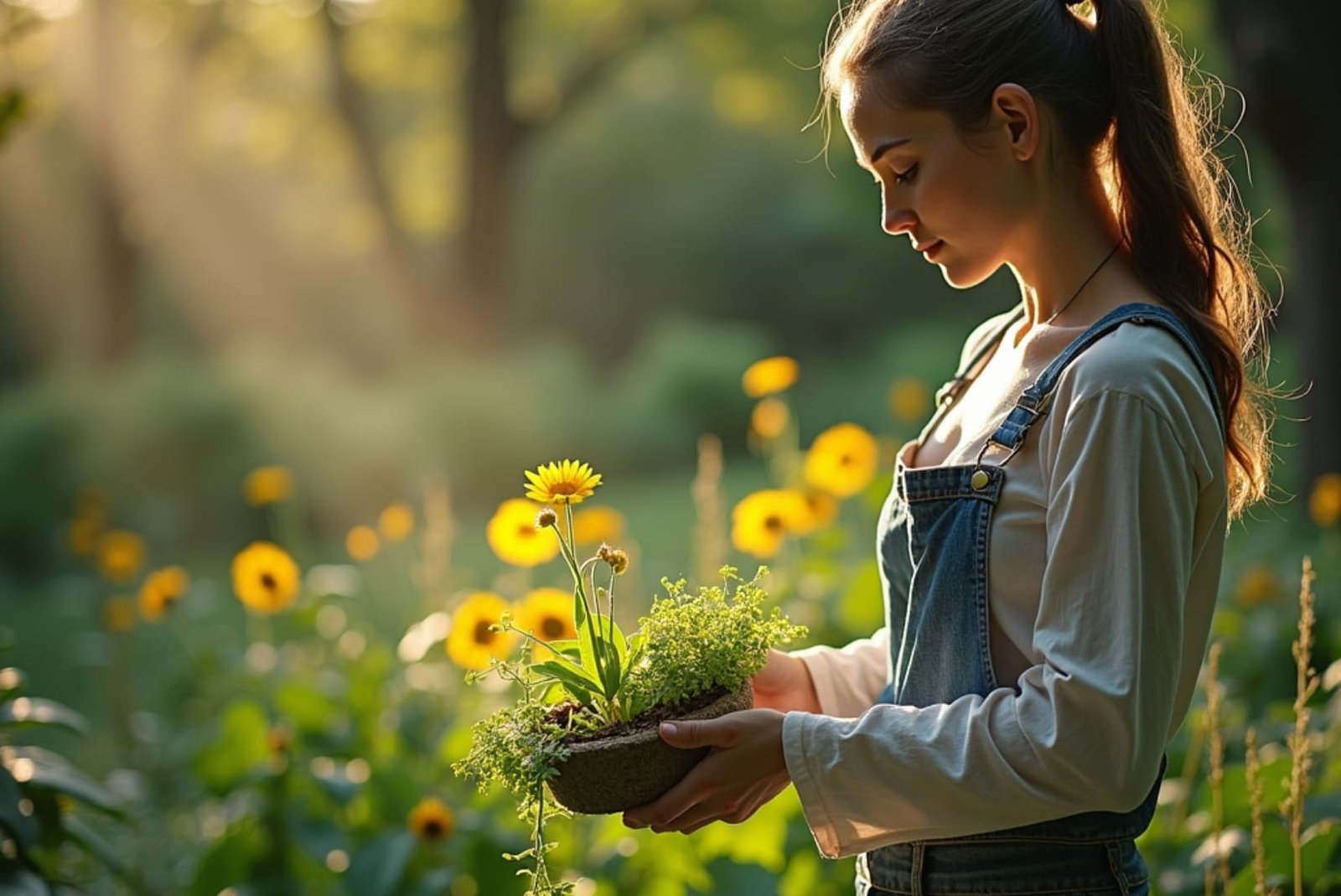
Therapeutic gardening is much more than a creative and relaxing activity; it is a deeply transformative practice that invites us to connect with the earth and with our own essence. When we touch the soil, plant seeds, and care for the plants, we immerse ourselves in a process of presence and full attention that, almost without realizing it, begins to heal us. Working with our hands and caring for the plants not only promotes emotional, physical, and mental balance, but it also offers us a living mirror where we can discover, understand, and grow internally. Observing how life flourishes under our care reminds us of the capacity we have to transform ourselves and nurture our own well-being.
Physical Health
That sprouts from the earth
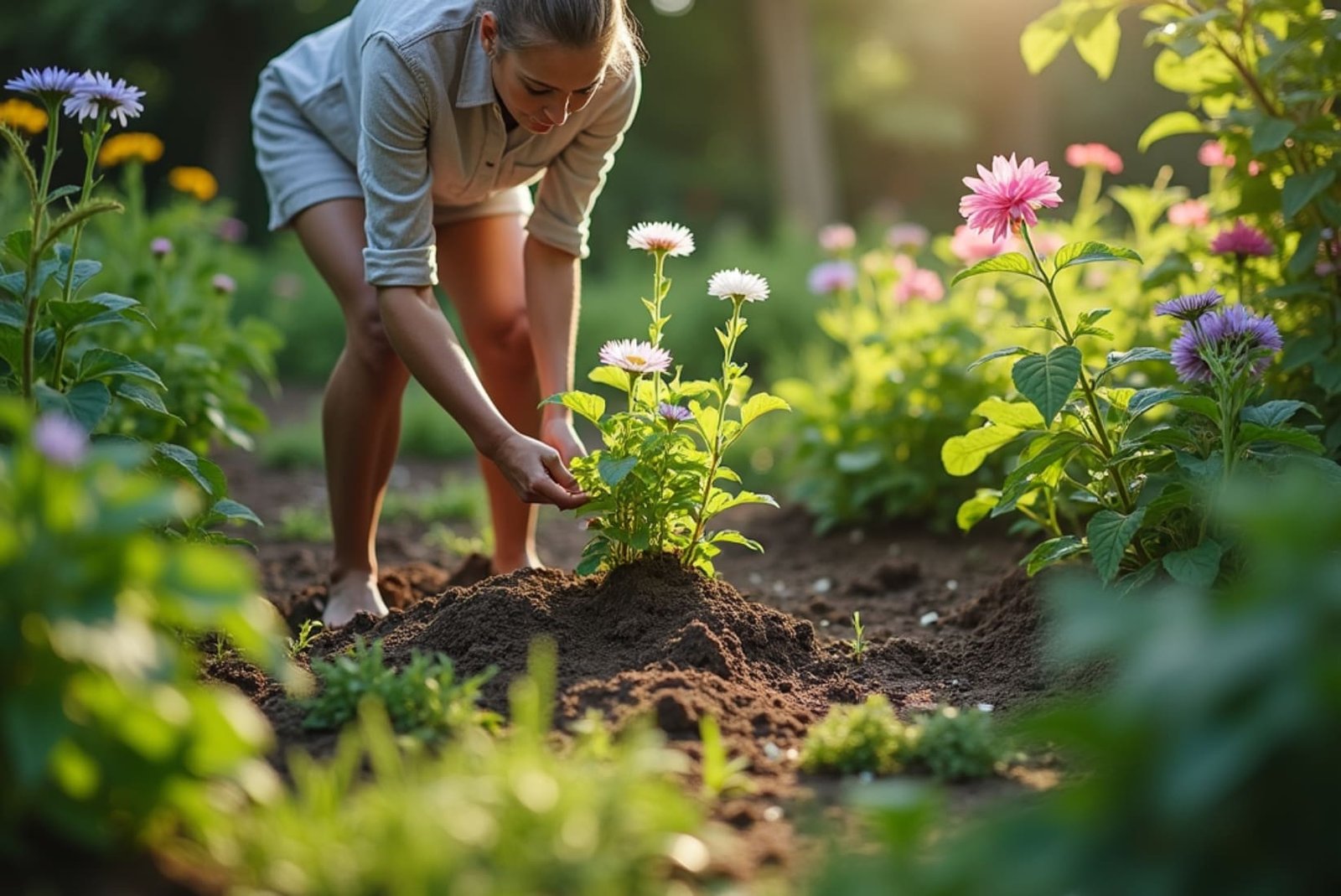
Therapeutic gardening also has a significant impact on our physical health. When we dig, plant, or water, we perform movements that strengthen our bodies and improve our overall health:
- Physical and motor stimulation: Activities like planting, watering, and pruning strengthen fine motor skills, improve coordination, and encourage overall body movement, especially in older adults or those undergoing rehabilitation. (Source)
- Moderate exercise: Gardening tasks work different muscle groups and improve flexibility and coordination.
- Cardiovascular improvement: Outdoor activities increase heart rate and promote healthy blood circulation.
- Benefits of the earth:
When we work the earth with our hands and breathe in its aroma, we activate a sensory experience that reduces stress and promotes inner calm.
Physical contact with the earth stimulates the release of hormones like serotonin and dopamine, responsible for improving mood and promoting relaxation. Moreover, the smell of moist earth, known as “petrichor,” has a calming effect that can help lower cortisol levels, the stress hormone, generating feelings of peace and well-being.
Another fundamental benefit is exposure to beneficial microorganisms present in the soil, such as Mycobacterium vaccae, which stimulate our natural defenses and strengthen the immune system. This interaction with the soil microbiome acts as a biological boost that contributes to our overall health.
- Benefits of the sun: Being outdoors under the sun promotes the synthesis of vitamin D, essential for maintaining strong bones and a robust immune system.
- Benefits of water when watering:
When watering, physical contact with water induces a sense of calm and well-being, helping to reduce stress and enter a state of presence and full attention. Moving water releases negative ions, which have positive effects on the nervous system, also acting as antioxidants that help fight oxidative stress and protect our cells. The sound of water also acts as a sensory stimulus that calms the mind and reduces anxiety.
- Benefits of plants:
Being in contact with plants, whether touching them, smelling them, or simply sharing space with them, is an inexhaustible source of well-being and overall health. The simple gesture of caressing their leaves, feeling their textures, or observing their growth stimulates our senses and invites us to be present, generating a sense of calm and connection with life.
Touching plants activates nerve endings in the skin that promote relaxation and can lower blood pressure and heart rate. This physical contact also stimulates the release of hormones like oxytocin, known as the “bonding hormone,” which increases feelings of well-being, confidence, and belonging.
Smelling plants, especially aromatic ones, has direct effects on our nervous system. The volatile compounds they release, like the phytoncides in trees or the essential oils in herbs, help lower cortisol levels, the stress hormone, and improve mood. In fact, plant-based aromatherapy has been used for centuries to induce states of relaxation and emotional balance.
But there is an even deeper benefit: consuming what we have harvested from the plants we have grown and watched grow. Eating the fruits, leaves, or flowers that we have cared for with our own hands is an experience of gratitude, connection, and celebration. These fresh, vibrant foods, rich in vitamins, antioxidants, and bioactive compounds, strengthen our immune system and contribute to overall health. Recognizing and being grateful to the plants for offering us their fruits is a sacred act that strengthens our bond with nature, connects us to the cycle of life, and teaches us humility and respect for the gift we receive.
-
Park, S. A., Lee, A. Y., Park, H. G., Lee, W. L., & Son, K. C. (2016). Gardening intervention as a low- to moderate-intensity physical activity for improving health. International Journal of Environmental Research and Public Health, 13(2), 212. https://doi.org/10.3390/ijerph13020212
-
Soga, M., Gaston, K. J., & Yamaura, Y. (2017). Gardening is beneficial for health: A meta-analysis. Preventive Medicine Reports, 5, 92–99. https://www.ncbi.nlm.nih.gov/pmc/articles/PMC6334070/
-
Mental Benefits: Calm
and Full Attention
Contact with nature through gardening has a direct and positive impact on our mental health. Various studies have shown that spending time in green spaces and caring for plants improves cognitive functions and promotes a balanced mental state. Among the most notable mental benefits are:
- Improved attention and concentration
Gardening fosters full attention by inviting us to focus on the present and the specific tasks of caring for plants. This practice helps reduce mental dispersion and improves the ability to concentrate, providing a break for the mind from information overload and everyday stress. - Stimulation of cognitive function and creativity
Being in contact with nature and participating in cultivation activities stimulates creativity and problem-solving. Gardening activates mental processes related to planning, observation, and adaptation, strengthening cognitive flexibility. - Reduction of mental fatigue
The natural environment acts as a mental restorer, helping the mind recover from fatigue caused by sustained attention in urban or work environments. Exposure to green spaces reduces feelings of mental exhaustion and improves mental clarity and agility. - Regulation of cognitive stress
Contact with plants and nature reduces the activation of the sympathetic nervous system, responsible for the stress response, and promotes the activation of the parasympathetic system, which fosters a state of mental calm and reduces cognitive hyperactivity. - Reduction of ecological anxiety
Contact with the earth and caring for plants allows us to connect with nature’s cycles, reducing environmental worry and promoting a sense of control and purpose. Furthermore, the bacterium Mycobacterium vaccae, present in the soil, stimulates the production of serotonin, improving mood and reducing anxiety. - Promotion of motivation and sense of purpose
Caring for plants and observing their growth generates a sense of achievement and purpose that stimulates intrinsic motivation, fostering a positive and proactive mental attitude. - Improved sleep quality
Regular gardening practice is associated with better sleep quality, fewer complaints of insomnia, and greater ease in falling asleep. Recent studies have shown that those who spend time caring for plants are up to 42% less likely to experience sleep problems, thanks to the reduction of stress, anxiety, and the creation of relaxing bedtime routines.
Scientific reference:
-
Soga, M., Gaston, K. J., & Yamaura, Y. (2017). “Gardening is beneficial for health: A meta-analysis.” Preventive Medicine Reports, 5, 92–99.
-
Kaplan, S. (1995). “The restorative benefits of nature: Toward an integrative framework.” Journal of Environmental Psychology, 15(3), 169-182.
-
Lowry, C. A., et al. (2007). “Identification of an immune-responsive mesolimbocortical serotonergic system: Potential role in regulation of emotional behavior.” Neuroscience, 146(2), 756-772.Redacción Terra. (2023, 22 de mayo). Por qué hacer jardinería puede ayudar a tener una mejor calidad del sueño. Terra. https://www.terra.com/estilo-de-vida/2023/5/22/por-que-hacer-jardineria-puede-ayudar-tener-una-mejor-calidad-del-sueno-4226.html
Emotional benefits: cultivating
our emotions
Taking care of a garden is much more than nurturing plants; it’s an act of self-care and a living metaphor for our own inner growth. By engaging in the cycle of sowing, watering, and waiting, we cultivate essential qualities such as empathy, patience, and responsibility, not only toward the plants but also toward ourselves.
Emotional processing and healing
Gardening offers us a safe space to channel and transform difficult or repressed emotions. Planting a seed can become a symbolic ritual of new beginnings, hope, and inner healing processes. Recent studies have shown that gardening activities help reduce stress, anxiety, and depression, and even people with no prior experience report a significant improvement in their emotional well-being (Guy, C., 2022).
Sense of achievement and self-esteem
Observing how plants thrive thanks to our care awakens a sense of deep personal satisfaction. Every sprout, every flower, is a testament to our commitment and dedication, reinforcing our self-esteem and giving us many reasons to celebrate small daily achievements. Gardening strengthens self-esteem and the sense of accomplishment, especially when we see the plants we have nurtured grow and flourish (NeuroClass, 2024).
Self-knowledge and reconnection
Gardening invites us to introspection and inner silence. In the calm of the garden, we can listen to our deepest emotions, discover our needs, and reconnect with what is truly essential. This time of quality with ourselves helps foster self-awareness and emotional balance.
Cultivation of hope and gratitude
Cuidar de un jardín nos enseña a confiar en los procesos, a esperar con paciencia y a agradecer cada regalo de la naturaleza. La gratitud hacia la vida que florece ante nuestros ojos se convierte en una fuente de alegría y serenidad, ayudándonos a afrontar los desafíos diarios con mayor resiliencia
-
Guy, C. (2022, 9 de julio). La jardinería puede mejorar la salud mental, según un estudio. Diario de Navarra. https://www.diariodenavarra.es/noticias/vivir/vida-sana/2022/07/09/jardineria-mejorar-salud-mental-estudio-534231-3196.html
-
Redacción. (2024, 6 de junio). ¿Qué beneficios me puede traer la jardinería? The New York Times. https://www.nytimes.com/es/2024/06/06/espanol/beneficios-salud-jardineria.html
-
Redacción. (2023, 23 de diciembre). Beneficios de la jardinería en la salud mental y emocional. Mejor con Salud. https://mejorconsalud.as.com/beneficios-jardineria-salud-mental-emocional/
-
Redacción. (2024, 17 de septiembre). Jardinería y salud mental: ¿Cómo afecta? NeuroClass. https://neuro-class.com/jardineria-y-salud-mental-como-afecta/
-
Redacción. (2024, 3 de marzo). Jardines, cultivar la felicidad. Ethic. https://ethic.es/2024/03/jardines-cultivar-la-felicidad/
-
Redacción. (2024, 6 de julio). La jardinería y sus múltiples beneficios en nuestra salud mental y bienestar. Adipa. https://adipa.mx/noticias/la-jardineria-y-sus-multiples-beneficios-en-nuestra-salud-mental-y-bienestar/
The educational importance: learning while we cultivate
Gardens are not just spaces for relaxation; they are also living classrooms where we can learn about natural cycles, biodiversity, and our relationship with the environment and the world at large.
Through gardening:
- We teach values such as respect for natural resources and caring for the environment.
- We foster a conscious relationship with food by growing our own fruits and vegetables.
- We develop practical skills while understanding our role within the ecosystem.
This educational dimension is especially valuable for reconnecting people with the essential: the natural rhythm of life and our planet.
A bridge between us and nature
Gardening reconnects us with our natural essence. In an increasingly disconnected world, working with the earth reminds us that we are part of it. It’s not just about “being” in nature; it’s about becoming an active part of it.
When we immerse ourselves in a garden, everything that happens around us — the movement of the wind through the leaves, the songs of birds, and the quiet growth of plants — becomes an opportunity to reflect on ourselves. Nature shows us its slow yet constant rhythm, teaching us to accept our own inner processes.
A refuge for body, mind, and spirit
Beyond its physical, mental, and emotional benefits, gardens are sanctuaries where we can find inner peace. They are spaces designed to disconnect from external noise and reconnect with what’s essential:
- They invite us to practice mindfulness as we watch the plants grow.
- They stimulate our creativity by encouraging us to design vibrant landscapes full of color and texture.
- They offer us unique moments to meditate, reflect, or simply enjoy the present.
Cultivating inner well-being
Gardening helps us develop and maintain a healthier lifestyle by offering us a natural refuge and a safe space where we can strengthen our relationship with ourselves and with nature.
By nurturing your garden, you’re nurturing your mind, body, and spirit.
By cultivating plants, we cultivate well-being and connect with ourselves through the unique mirror that nature offers us.